Building Adaptive UI for Modern Teams
Building Adaptive UI for Modern Teams
Good UI shouldn't fight the way people work. It should adapt to it.
Teams today rarely work in just one place or on one device. A designer might work from a laptop, a developer from a desktop, and someone else might be checking the same product from a phone.
The screen changes. The situation changes. The way people use the product changes.
The interface needs to keep up.
That's where adaptive UI comes in.
What Does Adaptive UI Really Mean?
Adaptive UI isn't simply about making a website fit different screen sizes.
It's about thinking about how people actually use a product.
A layout that works perfectly on a large monitor may feel crowded on a phone. A feature that makes sense for one team might be unnecessary for another.
Adaptive design takes these differences into account and creates an experience that feels natural in each situation.
Design for People, Not Just Screens
It's easy to think about responsive design as a technical requirement.
But there is a human side to it too.
People have different habits, devices, roles, and priorities. A good interface understands that.
Maybe a manager needs a quick overview, while a designer needs more detailed controls. They may be using the same product, but they don't necessarily need the same experience.
Good UI gives people what they need without getting in their way.
Keep Things Flexible
Modern teams change quickly.
New features get added. Workflows change. Teams grow. Products move from one platform to another.
If the UI is built too rigidly, every small change becomes a bigger problem.
Flexible components, reusable patterns, and thoughtful layouts make it easier to adapt without rebuilding everything from scratch.
The goal isn't to predict every future requirement.
It's to build something that can handle change without falling apart.
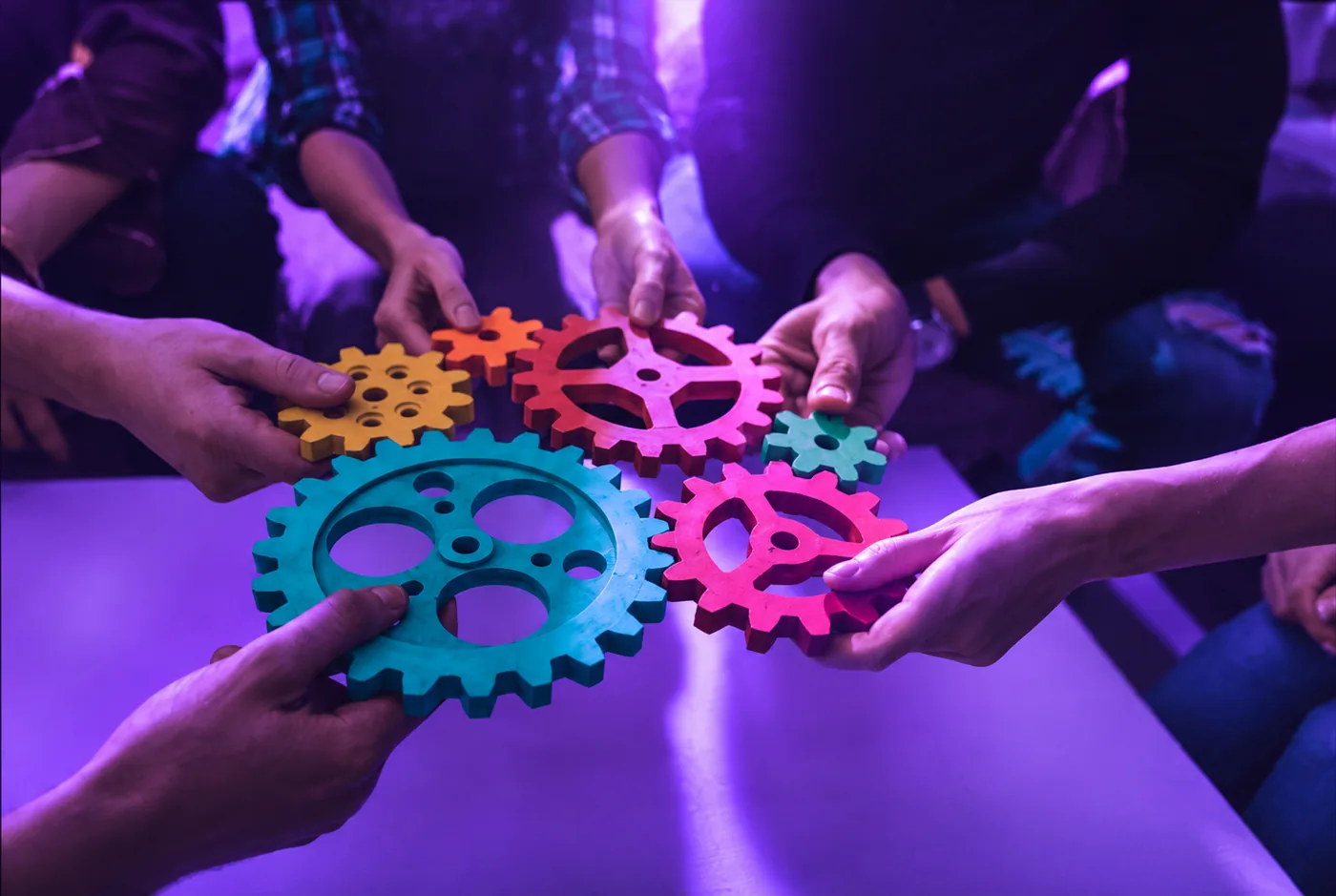
Collaboration Matters
UI isn't created by one person anymore.
Designers, developers, product managers, marketers, and other teams often work together on the same product.
A clear design system gives everyone a common language.
When everyone understands how things should work, decisions become easier and the product becomes more consistent.
Less back-and-forth. Less unnecessary work. More time to focus on the experience.
The Future Is Flexible
The best interfaces aren't necessarily the ones with the most features.
They're the ones that make people feel like everything is where it should be.
As teams become more distributed and products appear across more devices, adaptive UI will become less of a feature and more of a basic expectation.
At Aural Graphix, we believe good digital design should be flexible, clear, and built around real people—not just screens.
Design for today. Build for change.